
Preparing for the upcoming bushfire season
Posted 22 September 2026
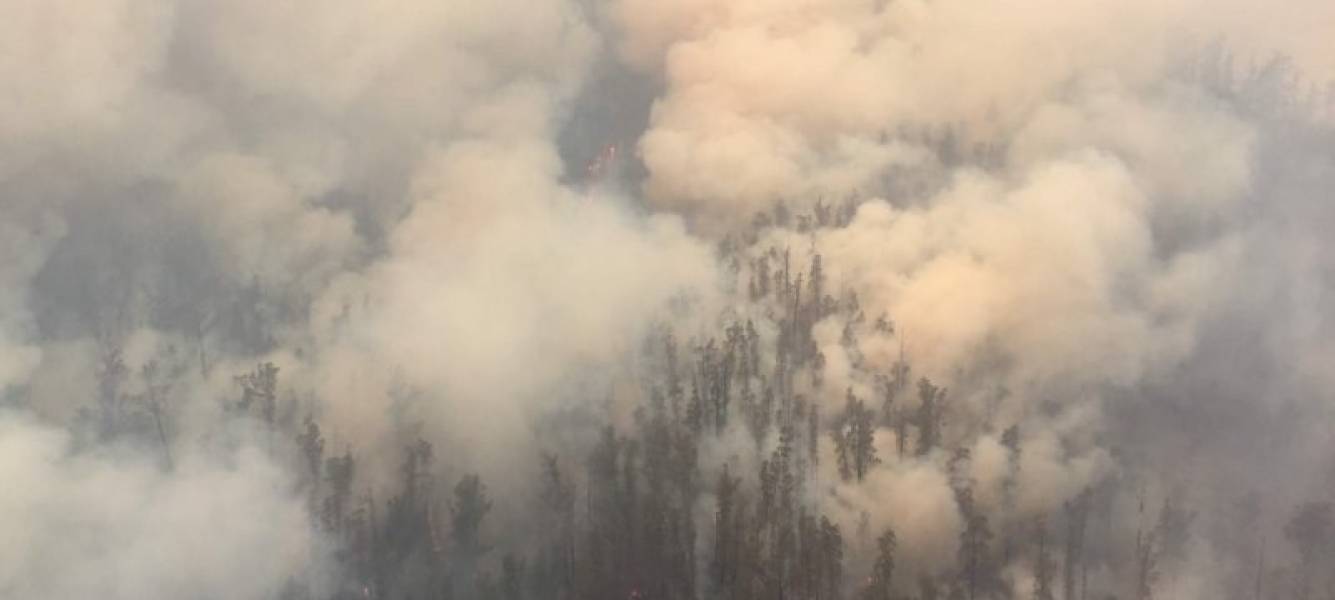
As Tasmania moves towards the 2026-27 fire season, preparation and cooperation remain critical to protecting communities, forest assets and the wider landscape.
The latest outlooks suggest parts of Tasmania may face elevated bushfire risk this season. The Bureau of Meteorology is forecasting above average temperatures across much of Australia, while the national seasonal bushfire outlook identifies north-eastern Tasmania as an area of increased fire risk due to dry conditions and below average rainfall. These forecasts reinforce the importance of early planning and preparedness across all land tenures.
The forest industry continues to play an important role in Tasmania's fire management network. Through the Tasmanian Forest Industry Fire Management Committee (FIFMC), private forest growers, forest managers, contractors and Sustainable Timber Tasmania work together to support best-practice fire prevention, preparedness and response across the state's forest estate.
The strength of Tasmania's fire management system lies in collaboration. Industry resources complement those provided by emergency services and public land managers, providing additional personnel, equipment, local knowledge and operational support when fires occur. Ahead of this season, across both private forest managers and Sustainable Timber Tasmania there are 170 trained firefighters ready to respond, 109 tankers (heavy, medium and light), aircraft access and 17 operational fire towers/cameras.
While response capability is important, preventing fire starts remains the industry's highest priority. FIFMC is the custodian of a range of industry fire prevention guidelines and procedures developed in partnership with industry and fire management agencies. These documents establish the minimum standards expected of forest operations during the fire season and provide practical guidance on reducing the risk of wildfire ignition.
As preparations for the coming season ramp up, now is a timely opportunity for forest owners, managers and contractors to review their operations and ensure they are meeting the expectations set out in these guidelines. Particular attention should be given to:
- Firefighting equipment requirements and maintenance
- Water supply availability and accessibility
- Staff and contractor fire training requirements
- Fire weather monitoring and operational restrictions
- Communications and emergency response arrangements
- Site access and emergency vehicle access points
Further information, including the Fire Prevention Guidelines for Tasmania's Private Plantations and Fire Prevention at Forest Operations Procedure, is available through the Private Forests Tasmania website HERE.
Share this Article
Latest Articles
-

22 September 2026
Forest practices supervisors continue their learning in latest Forest Practices Authority training course
-

15 September 2026
Managing native regrowth forests and plantations at Port Arthur
-
18 August 2026
Spring is the time for fuel reduction burning
Archives
- ActivAcre hits milestone, calls for more farmers to get on board
- Napier's leading the way in sustainable forestry and carbon-neutral farming
- Sound science needed to assess carbon impacts of timber harvesting
- Newly appointed TFFPN Board of Directors
- Graduate Certificate of Forestry Scholarship
- Forestry Australia Mentoring Program 2025
- Forest Industry Roundtable planning for the long term
- Eagle Management Constraint Period extended
- Successful private native forest management celebrated
- $15 million investment in new ship loader to boost Bell Bay's forestry exports
- Standing with Tasmania's forestry industry: buy local
- TFPA: Tasmanian Freight Equalisation Scheme needs a ground-up review
- AFCA Gala Dinner celebrates industry excellence
- Fire permits now required Statewide
- Forest leaders hone skills in sustainable native regrowth management
- Tasmanian forests and the carbon market: Barriers and opportunities
- What the 2024-25 Tasmanian Budget means for forestry
- Spring is the time for fuel reduction burning
- Primed for Growth: A situation analysis of the Tasmanian Forest and Wood Products Sector
- Audit requirements cut for low-risk plantation projects
- Guidance and support for landowners after damaging winds
- Forestry Australia welcomes further definition of active forest management
- Farm & Forest Mapper Tool highlighted at Rural Youth Tasmania's Young Farmer of the Year competition
- Senate Select Committee inquiry into the Tasmanian Freight Equalisation Scheme
- Timberlink announces new wood composite products brand
- Newly developed protocol a vital tool for safeguarding forestry industry
- Red Hot Tips: Fire management for Tassie farmers
- Bioenergy: Fuelling industries with trees
- Harvesting trees: What you need to know
- Shelterbelts: How are they contributing to farm systems?
- Infill plantings and remnant vegetation: Why biodiversity depends on a thriving understory
- Plantation planning: The key to a successful plantation
- Exciting interactive forestry knowledge hub launched
- $450,000 farm forestry grant recipients revealed