
Native regrowth forests and biodiversity
Native trees benefit Tasmania's ecosystems and communities
Tasmania has vast native forest cover, much of which is on private land. Native regrowth forests can be actively managed for multiple benefits.
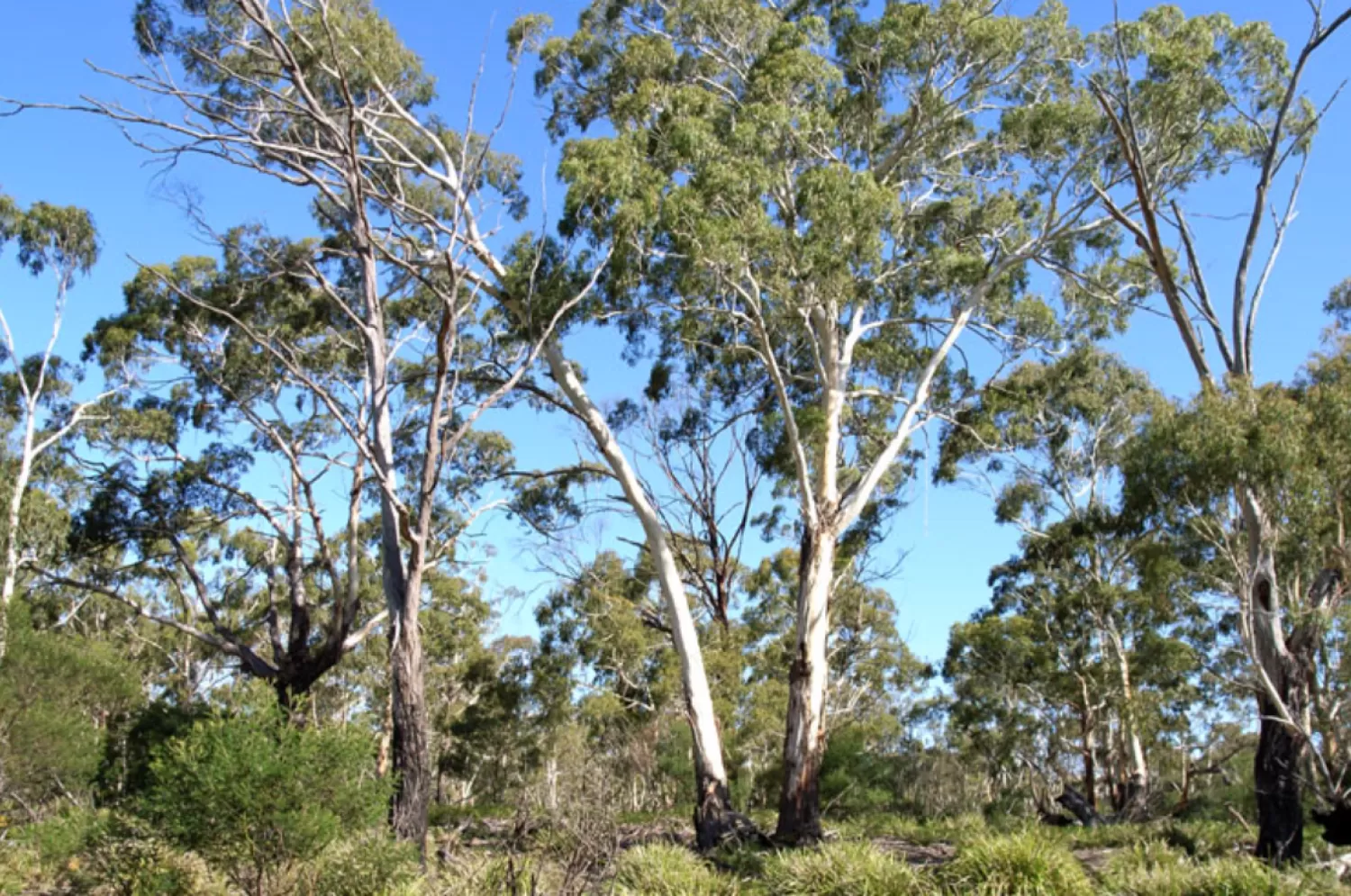
Tasmanian native regrowth forests are vital for biodiversity, wildlife habitat and carbon storage. With active management, you can improve the health of your native forest and its ecosystem functions. You can also produce highly valued timber and non-timber products.
Support ecosystems and timber production with native forest regrowth management.
Native regrowth forest management
Tasmania’s extensive native regrowth forests have a long history of active management for timber production. This can contribute significantly to Australia’s timber shortage, support ecosystem and forest health, and produce positive outcomes:
- Timber products – logs harvested can be sold to domestic and export markets, and are increasingly used in higher value wood products
- Non-timber products – native regrowth forest management enables the production of non-timber products such as honey
- Values and functions – regional employment, recreation, carbon sequestration and ecosystem services are supported by private native regrowth forest management.
Did you know?
Up to 306,000 hectares of private native forests in Tasmania can be managed sustainably to produce timber and other benefits
Management for health and productivity
Improving forest health and productivity is a priority for many landowners involved in native regrowth forest management.
Activities like selective harvesting (where some trees are harvested and others are left standing) give the forest's remaining trees more light, water and nutrients. This means they are healthier and more productive for functions such as carbon sequestration. It also means the forest is less vulnerable to pests, disease and fire.
Management for timber
Commercial management of native regrowth forests produces logs that can be sold to markets. This usually involves activities such as thinning and selective harvesting, as well careful monitoring and regeneration activities. To make sure your solution is sustainable, be sure to consider:

Harvest operations
Start planning harvest operations several years before your anticipated activities. Define your objectives, conduct forest inspections, source contractors and get approvals for your work.

Risk management
Any forestry operation comes with environmental, operational and commercial risk. Carefully assess and manage risks as part of your planning.

Financial analysis
Estimate the potential returns from your activities under given scenarios, which will help guide your decision making.
Risk management
Any forestry operation comes with environmental, operational and commercial risk, which should be carefully assessed and managed.
Financial analysis
Landowners can estimate potential returns from operations under given scenarios, to support planning and decision making.
Find comprehensive guides and case studies on native regrowth forest operations in Tasmania:
A guide to private native regrowth forest operations Managing your private native regrowth forestDid you know?
About 837,000 hectares of Tasmania’s native forest is on private land – that’s 27% of total native forest estate.
Permanent Native Forest Estate Policy
Tasmania’s Permanent Native Forest Estate Policy regulates the extent to which native forests can be cleared and converted to other land uses across the State.
It makes sure that Tasmania's native forests are managed sustainably to encourage forest health and regeneration.
Permanent Native Forest Estate PolicyActive management of private native regrowth forests for Climate Change, Carbon and Fire
Active management of private native regrowth forests for financial benefits
Active management of private native regrowth forests for thinning
Get advice and support for a successful plantation.